

The “Use It or Lose It” Myth And Why It’s Partly True
You’ve probably heard it whispered in disability support circles: “If you don’t use your NDIS funding, you’ll lose it.” Like many myths, this one contains a kernel of truth wrapped around a more complex reality. Understanding the distinction could protect your funding and ensure you’re getting the support you genuinely need.
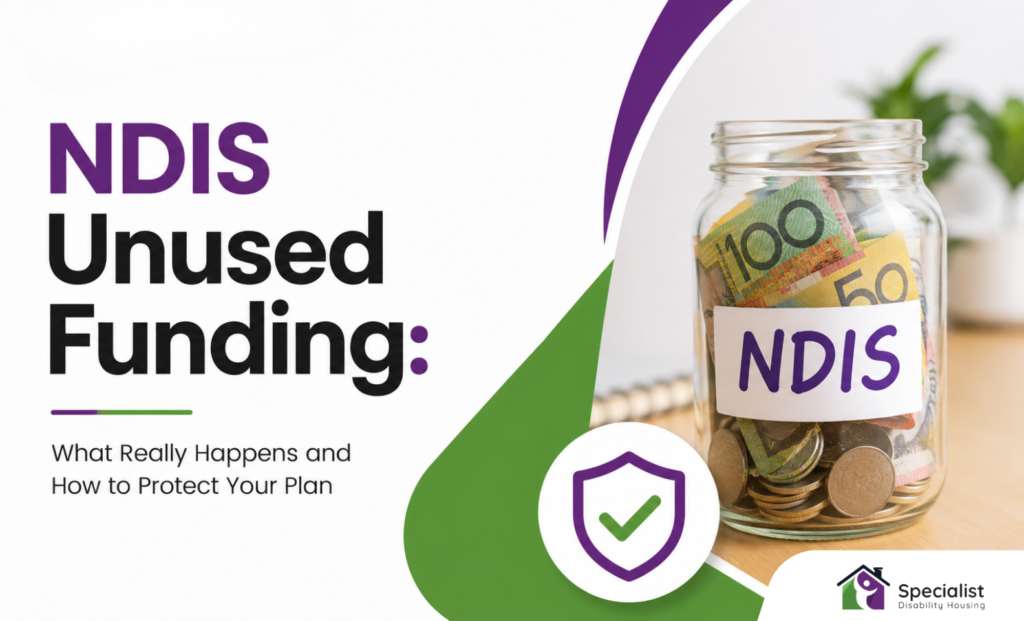
The reality? Unused funding doesn’t automatically disappear from your account mid-plan. However, it absolutely does get scrutinized during your plan reassessment and how that scrutiny plays out can directly impact your funding in the next planning cycle.
What Happens During Plan Reassessment
When your NDIS plan comes up for review, the planner or Local Area Coordinator (LAC) conducting the reassessment examines three critical numbers:
- Total funds allocated in your previous plan
- Total funds spent during the plan period
- Remaining unspent balance at reassessment time
This analysis forms the foundation of their assessment about whether your funding level should remain the same, increase, or decrease.
Here’s where understanding NDIS philosophy matters: The scheme operates on a principle that early investment in people with disability should result in increased independence and reduced reliance on funded supports over time. In theory, this saves government money while improving participant outcomes a win win.
But theory and reality diverge for many people, particularly those with complex, ongoing support needs that won’t decrease regardless of funding investment.
The Sustainability Pressure Cooker
Add constant media coverage about “NDIS cost blow-outs” and “scheme sustainability,” and you understand why the NDIA faces intense pressure to justify every dollar. This public scrutiny creates an institutional bias: unused funding gets interpreted as evidence that the funding wasn’t actually needed.
This interpretation creates a genuine problem. When planners see unspent funds, they may conclude you were over-funded rather than investigating why funds went unused. That distinction matters enormously.
Why Funding Goes Unused (And It’s Not Always Your Fault)
Yes, sometimes unused funding indicates genuine success—a participant developed skills, accessed community supports, and became more independent. That’s fantastic and exactly what the scheme aims for.
But many other barriers prevent funds from being utilized:
Lack of Understanding or Support: Some participants never fully understood their plan structure or knew where to begin accessing supports. Without guidance from a support coordinator or advocate, accessing services becomes overwhelming.
Service Barriers: Homelessness, cultural diversity, or psychosocial disability can create significant obstacles to engaging with formal supports. Providers may not be equipped or willing to adapt services.
Provider Limitations: Some participants express complex needs (physical aggression, verbal outbursts, challenging behaviors) that cause providers to withdraw services due to insufficient training or experience.
Provider Shortages: Finding quality providers in rural areas, or experiencing staff turnover at your preferred provider, can leave allocated funds sitting unused despite genuine need.
Systemic Gaps: Services may simply not exist in your location or may have long waitlists preventing timely access.
These barriers are real, common, and absolutely worth addressing.
Protecting Your Funding: Communication Is Your Shield
If barriers prevented you from using allocated funds, you must communicate this clearly during plan reassessment conversations. This is where your support coordinator, therapists, and other providers become invaluable allies.
Before your reassessment meeting, these professionals should prepare detailed reports addressing:
- Specific barriers: What prevented funding utilization? Be concrete and specific.
- Attempted solutions: What strategies did you try to overcome barriers? Why did they succeed or fail?
- Documented outcomes: What did the spending that occurred achieve? How did participant progress despite barriers?
- Ongoing necessity: Why does this funding remain needed? What specific goals and outcomes will the funding support in the next plan?
This documentation transforms the reassessment conversation from “Why didn’t you spend this money?” to “Here’s why barriers prevented spending, here’s what we achieved anyway, and here’s how we’ll use this funding more effectively next cycle.”
Taking Action Now
Unused NDIS funding won’t ruin your plan, but unaddressed unused funding creates unnecessary vulnerability at reassessment. Proactive communication, detailed documentation, and honest conversations with your planning team protect both your current funding and your future allocations.
The goal isn’t spending money for spending’s sake, it’ssake it’s ensuring you have the supports you genuinely need, whether barriers prevented access in the past or improved service coordination means fuller utilization ahead.
📞 Let’s Stay Connected
Looking for assisted living or disability housing support?
📧 info@sdhwa.com.au
📞 (08) 9468 5550
Prepare Before Reassessment:
- Gather documentation of barriers you encountered
- Request outcome reports from your providers
- Schedule pre-reassessment meeting with your support coordinator
- Prepare written summary of challenges and solutions attempted
- Have clear goals ready for discussion at reassessment meeting
FAQ’s
1. Do I lose my NDIS funding if I don’t spend it during my plan year?
Unspent funds don’t disappear mid-plan, but they’re reviewed at reassessment. High balances may lower future funding unless barriers prevented spending. Document why funds went unused to protect your allocation.
2. Can I carry over unused NDIS funding to the next plan?
No, funds don’t roll over. Your next allocation is determined fresh based on assessed needs. Significant unspent balances may negatively impact the amount unless you’ve clearly explained barriers.
3. What’s the best way to explain unused funding to the NDIA?
Prepare documentation outlining: specific barriers, solutions attempted, outcomes from spending, and why funding remains necessary. Have your support coordinator and providers contribute. Frame it as problem-solving, not justification.
4. Should I spend my remaining NDIS funds just before reassessment to avoid losing them?
No. Spend strategically on supports you need. Frivolous spending suggests over-funding. Instead, ensure documentation explains barriers and shows every dollar delivered meaningful outcomes.
5. How can my support coordinator help protect my funding?
They document barriers, track outcomes, facilitate provider communication, and prepare reassessment reports. Before reassessment, ask them to prepare a detailed report addressing barriers, outcomes, and ongoing funding necessity.