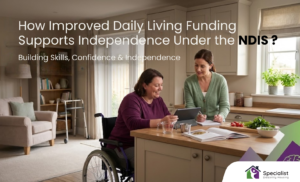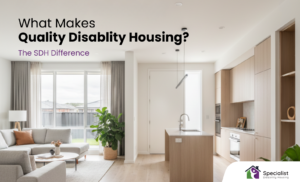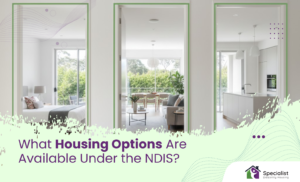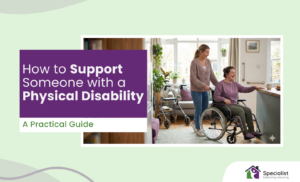

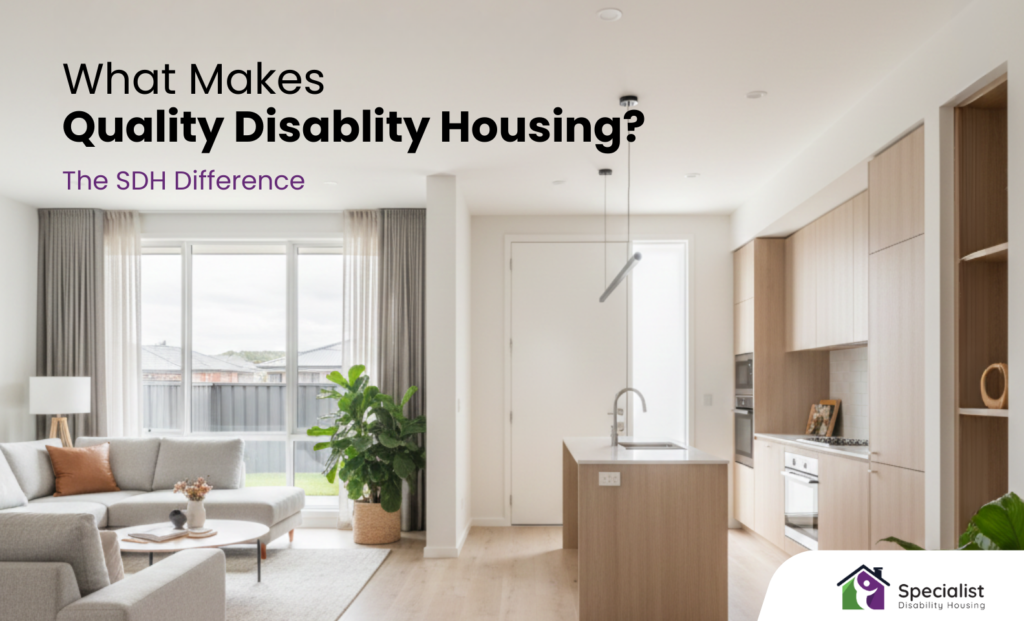
Quality disability housing plays a vital role in supporting independence, dignity, and wellbeing for people with disabilities. Under the NDIS, quality housing is not just about accessibility—it is about creating a home where participants feel safe, respected, and empowered. Understanding what defines quality disability housing helps participants make confident and informed choices.
Purpose-Built Design and Accessibility
Quality disability housing is thoughtfully designed to meet diverse support needs while promoting independence. Key features may include:- Step-free access and wide hallways
- Accessible bathrooms and kitchens
- Adjustable fixtures and fittings
- Assistive and smart home technology
Person-Centred Living
Person-centred housing ensures participants have genuine choice and control over their living arrangements. This includes:- Choice of location and housing type
- Private spaces balanced with shared areas
- Respect for individual routines and preferences
Safety, Comfort, and Wellbeing
Quality housing prioritises both safety and comfort. Important elements include:- Emergency response systems
- Safe flooring and lighting
- Natural light and ventilation
- Comfortable and modern living spaces
Compliance and Continuous Improvement
High-quality disability housing providers:- Meet NDIS Practice Standards
- Conduct regular maintenance and safety checks
- Actively seek participant feedback
The SDH Difference
The SDH difference is the focus on creating homes—not just accommodation. By prioritising:- Thoughtful design
- Participant dignity and choice
- High quality and compliance standards