

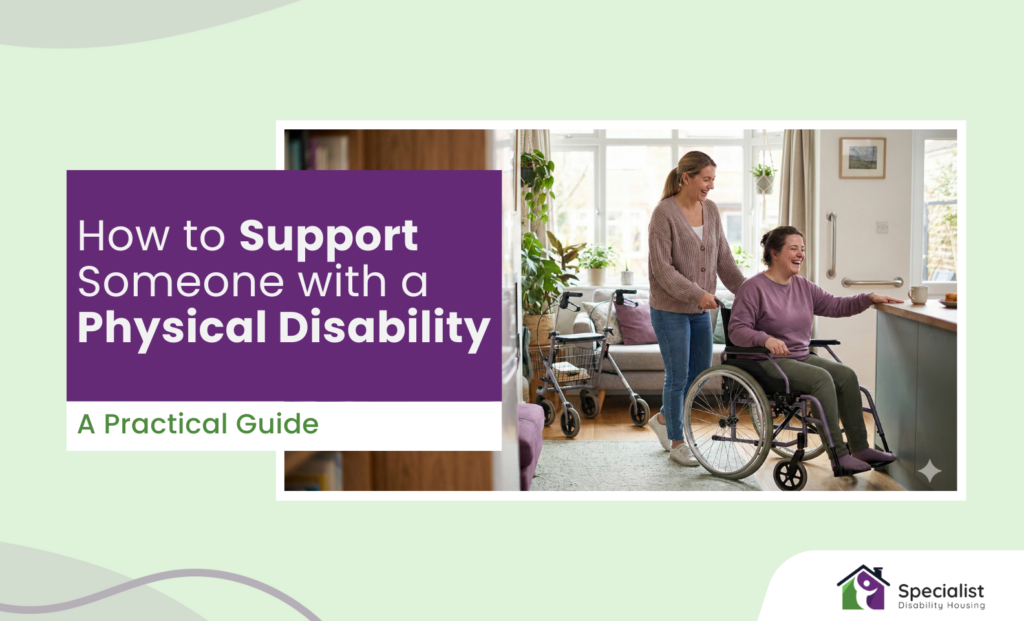
Living with a physical disability can bring unique challenges that impact mobility, independence, daily activities, and overall wellbeing. However, with the right support systems, accessible environments, and personalised care, individuals with physical disabilities can thrive, participate fully in society, and lead empowered lives.
Disability support services play a crucial role in helping individuals navigate these challenges by offering assistance with mobility, personal care, communication, and community involvement. Understanding these support needs is essential to ensure every person receives the right level of care, dignity, and independence.
What Is a Physical Disability?
A physical disability refers to a long-term condition that affects a person’s physical functioning, movement, or stamina. These disabilities may be:
- Congenital – present from birth, such as cerebral palsy or spina bifida
- Acquired – the result of injury, illness, or degenerative conditions, such as spinal cord injuries, arthritis, or limb amputations
The impact varies widely: some individuals may require minimal support, while others need ongoing daily assistance.
The Impact of Physical Disabilities
A physical disability can influence many areas of life, including:
- Mobility: Needing wheelchairs, walkers, or prosthetics
- Daily activities: Difficulty with dressing, cooking, bathing, and moving around the home
- Education and employment: Barriers in physical access, tools, or workplace accommodations
- Mental health: Feelings of isolation, frustration, or low confidence
- Social engagement: Challenges in accessing recreational or community activities
With proper support, individuals can overcome many of these challenges and improve their overall quality of life.
Key Support Needs for a Person with a Physical Disability –
1. Mobility Assistance
Mobility is one of the most fundamental support needs.
This may include:
- Wheelchairs, scooters, and walking frames
- Accessible transportation options
- Support workers to assist with transfers or movement
- Home modifications such as ramps and widened entrances
Mobility aids empower individuals to move safely and independently at home, work, or in the community.
2. Personal Care and Daily Living Support
Many people require assistance with essential tasks such as:
- Showering, dressing, and grooming
- Meal preparation or feeding support
- Toileting and continence care
Support workers ensure individuals maintain dignity, hygiene, and independence while receiving compassionate, personalised assistance.
3. Home Modifications and Accessibility
An accessible home environment is vital for safe and independent living.
Common modifications include:
- Ramps, stairlifts, and handrails
- Wheelchair-friendly bathrooms
- Lowered countertops and accessible storage
- Smart home technology for lighting, doors, and appliances
These changes significantly reduce the risk of injury and improve comfort and usability within the home.
4. Education and Employment Support
Many individuals with physical disabilities face barriers in traditional schooling or workplace environments.
Support may include:
- Adaptive technology like speech-to-text tools or ergonomic equipment
- Accessible classrooms or workspaces
- Flexible work or study arrangements
- Skill-building programs and job coaching
Ensuring accessibility helps individuals reach their full academic and career potential.
5. Social and Community Participation
Staying socially engaged is essential for mental and emotional wellbeing.
Support may include:
- Assistance attending social outings or community programs
- Access to inclusive sports and recreation activities
- Companion services to reduce loneliness
- Participation in hobbies, volunteering, or group events
These activities foster confidence, belonging, and enjoyment.
6. Health and Wellbeing Support
Managing a physical disability often requires continuous healthcare support, including:
- Physiotherapy, occupational therapy, and rehabilitation
- Mental health services
- Pain management
- Dietary and exercise programs tailored to individual needs
Consistent healthcare supports long-term independence and overall wellbeing.
Empowering Independence
Every individual living with a physical disability has unique needs. With the right combination of mobility support, personal care, accessible environments, healthcare, and community involvement, they can live independently and pursue meaningful goals.
Understanding these support requirements allows families, carers, and service providers to create an environment where individuals feel respected, supported, and empowered to thrive.
If you’re ready to explore Specialist Disability Housing Support options, we’re here to help.
📞 Let’s Stay Connected
Looking for guidance or personalised disability support?
📧 info@sdhwa.com.au
📞 (08) 9468 5550
🌐 www.sdhwa.com.au