


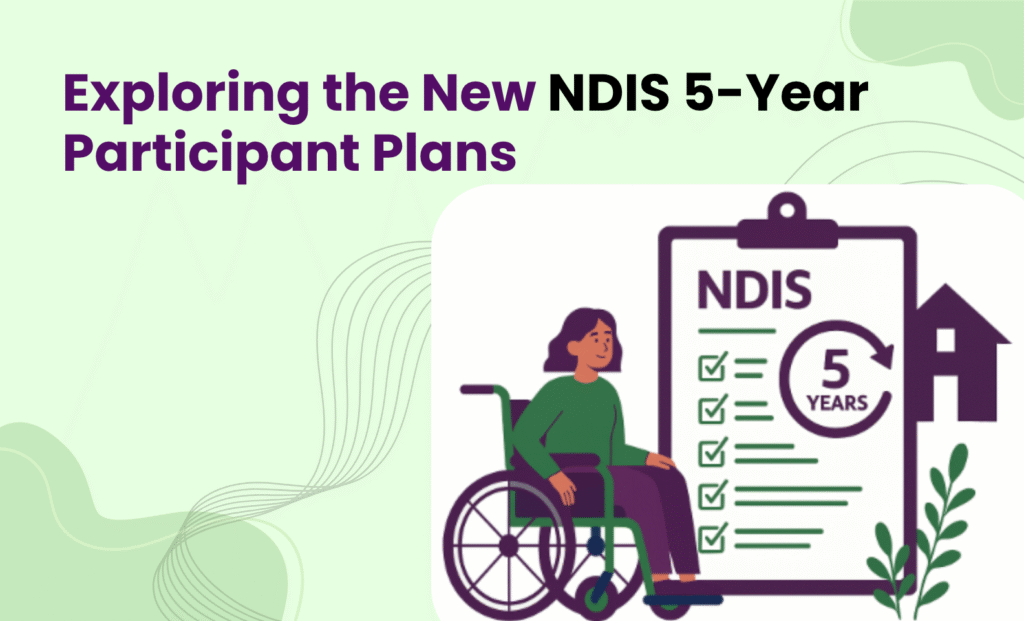
The National Disability Insurance Scheme (NDIS) continues to evolve, aiming to provide people with disability in Australia more stability, choice, and control over their supports. One of the most significant changes in recent times is the introduction of 5-year participant plans under Section 33 of the NDIS Act. This shift from shorter-term plans is designed to offer participants longer-term certainty and a more consistent pathway toward achieving their personal goals.
Over the past six months, I have had the opportunity to attend the Disability Events Community (DEC) monthly networking sessions, which bring together professionals from across the NDIS sector. These sessions are invaluable for sharing ideas, discussing challenges, and exploring innovative ways to enhance participant outcomes. At the most recent session, the focus was on these new 5-year plans and their implications for participants, families, and service providers.
What Are 5-Year Participant Plans?
Traditional NDIS plans typically last 12 months and require regular reviews. The new 5-year plans extend this period, providing greater stability and reducing the frequency of plan reassessments. The goal is to give participants more time to focus on long-term objectives, such as pursuing education, building independence, or accessing therapies and skill development programs. This longer horizon encourages a more strategic approach to planning and goal setting, reducing the stress of annual plan negotiations and approvals.
Benefits of Longer-Term Plans
The introduction of 5-year plans brings several key benefits:
- Stability and Predictability: Participants can focus on their goals without the disruption of frequent plan reviews.
- Long-Term Planning: Supports can be aligned to multi-year objectives, such as moving into independent living, building career skills, or participating in extended therapy programs.
- Reduced Administrative Load: Fewer reviews mean less paperwork for both participants and providers, allowing more time and energy to be spent on meaningful support delivery.
- Enhanced Provider Collaboration: Service providers can plan resources and support delivery over a longer term, improving consistency and outcomes.
Challenges and Considerations
Despite the advantages, there are challenges to consider:
- Flexibility vs. Stability: Participants’ needs may evolve. Longer plans might require formal reassessments if supports no longer align with changing circumstances.
- Budget Management: With funding now structured into set periods, such as quarterly, fluctuations in support needs may make budgeting more complex.
- Adaptability: Participants and providers must remain proactive in monitoring and adjusting supports as needed to avoid gaps or overfunding.
Tips for Participants and Providers
To get the most out of 5-year plans, participants and providers should:
- Set Clear Long-Term Goals: Define objectives for the five-year period, but also allow for adjustments.
- Regularly Track Progress: Review goals and outcomes quarterly to ensure supports are effective.
- Stay Engaged with Providers: Maintain strong communication with service providers to ensure needs are being met.
- Plan for Changes: Anticipate life transitions or evolving needs and incorporate flexibility where possible.
Conclusion
The introduction of 5-year NDIS participant plans is a major step toward providing stability, security, and long-term planning opportunities. While challenges exist, particularly in balancing adaptability with consistency, the potential benefits for participants are significant. With careful planning, proactive monitoring, and open collaboration, these longer-term plans can empower participants to pursue their goals with confidence and support.
The key is balance: providing stability while remaining responsive to each participant’s unique journey. Let’s Stay Connected
Looking for guidance or supportive services?
 info@sdhwa.com.au
(08) 9468 5550
 www.sdhwa.com.au
FAQ’s
1. What are NDIS 5-year participant plans?
They are long-term NDIS plans that last up to five years, offering participants more stability and fewer reviews. These plans aim to give people with disability a clear, consistent pathway toward achieving their personal goals.
2. What are the benefits of a 5-year NDIS plan?
They provide stability, reduce paperwork, and support long-term goals like education and independence. Participants and providers can plan supports more effectively over time for better outcomes.
3. Are 5-year NDIS plans flexible if my needs change?
Yes, participants can request a reassessment anytime if their needs or circumstances change. This ensures that supports stay relevant and aligned with the participant’s current situation.
4. How can participants make the most of their 5-year NDIS plan?
Set clear goals, track progress, and stay in touch with providers to ensure supports remain effective. Regular check-ins and open communication help maintain balance and adaptability throughout the plan.