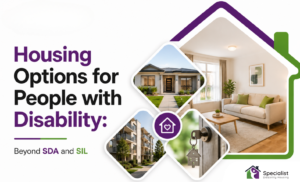


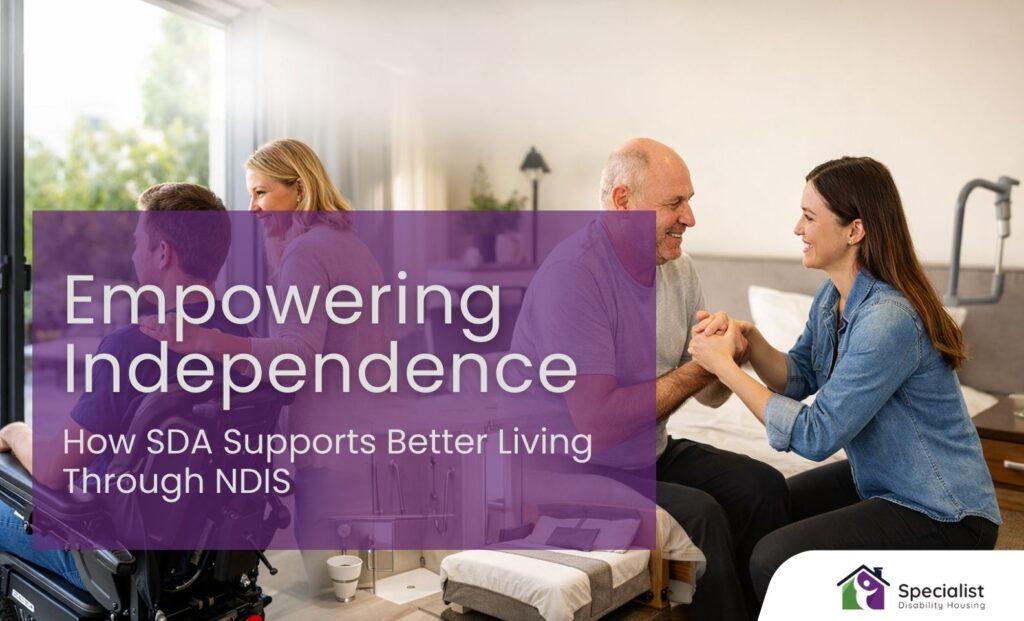
SDA (Specialist Disability Accommodation) is a specialised housing solution under the National Disability Insurance Scheme (NDIS) designed for individuals with very high support needs. SDA provides purpose-built homes that are carefully designed to improve safety, accessibility, and long-term independence. Unlike traditional housing, SDA focuses on both physical design and functional living requirements to support participants in achieving a better quality of life.
Below are five key ways SDA makes a meaningful difference.
1. Purpose-Built Living Environments
One of the strongest advantages of SDA is that the homes are specifically designed for people with significant physical or functional challenges. Every aspect of SDA housing is carefully planned to reduce barriers and increase ease of movement.
Features may include reinforced structures for hoists, accessible bathrooms, height-adjustable benches, emergency response systems, and open-plan layouts. These design elements are not just convenient – they are essential for daily living. By eliminating physical obstacles, SDA creates an environment where residents can move safely and comfortably within their own space.
2. Empowering Everyday Independence
SDA supports individuals in gaining greater control over their daily routines. When a home is designed around a person’s mobility and support needs, everyday tasks become more manageable.
Residents can cook, organise personal belongings, and navigate their homes with less assistance. With the right combination of SDA housing and Supported Independent Living (SIL), participants receive support only where needed, allowing them to maintain personal choice and dignity.
This empowerment plays a major role in improving confidence, mental wellbeing, and overall life satisfaction.
3. Integrated Support and Care Access
Another important benefit of SDA is the ability to integrate housing with personalised care. SDA works alongside other NDIS supports, ensuring residents receive appropriate assistance while living in a stable environment.
Depending on individual needs, support services may include personal care, overnight assistance, therapy services, or community participation programs. NDIS support coordinators help participants align their SDA accommodation with the right support model.
This coordinated approach ensures that housing and care services work together seamlessly, making daily life smoother and more structured.
4. Long-Term Stability and Security
For individuals with complex needs, frequent moves can be disruptive and stressful. SDA offers a long-term housing solution designed for durability and adaptability. Homes are built to accommodate changing support needs over time, reducing the likelihood of relocation.
This long-term stability provides emotional reassurance for both participants and families. Knowing that housing arrangements are secure allows residents to focus on personal development, community engagement, and achieving long-term goals.
SDA is not just short-term accommodation – it is a sustainable living solution.
5. Stronger Community Connections
SDA also promotes greater social participation. Many SDA properties are strategically located near healthcare facilities, public transport, shopping centres, and recreational areas. Easy access to these services encourages residents to engage with their community.
Some SDA homes offer shared living arrangements, which create opportunities for friendship and peer support. Social interaction plays a critical role in reducing isolation and improving mental health.
By combining accessible housing with community inclusion, SDA supports a more connected and fulfilling lifestyle.
Conclusion
SDA (Specialist Disability Accommodation) is more than just housing – it is a foundation for independence, safety, and long-term wellbeing. Through purpose-built design, integrated support services, and stable living environments, SDA enables individuals with high support needs to live with dignity and confidence.
With guidance from NDIS support coordinators, participants can explore SDA options that align with their goals and support requirements. Whether the focus is independence, security, or community engagement, SDA provides a structured and supportive pathway toward a better quality of life.
If you are considering SDA housing, speaking with a registered provider can help you understand eligibility and find a solution tailored to your needs.
FAQ’S
1. What is SDA under the NDIS?
SDA (Specialist Disability Accommodation) is purpose-built housing funded by the NDIS for participants with extreme functional impairment or very high support needs.
2. Who is eligible for SDA funding?
SDA funding is available to eligible NDIS participants who require specialised housing due to significant mobility, safety, or support requirements.
3. What types of homes are included in SDA?
SDA homes may include apartments, villas, or shared houses designed with accessibility features such as wider doorways, accessible bathrooms, and assistive technology.
4. Is SDA the same as Supported Independent Living (SIL)?
No. SDA refers to the physical housing, while SIL covers the personal support services provided to help participants live independently.
5. How do I apply for SDA housing?
You must first be assessed as eligible through your NDIS plan. An NDIS support coordinator or provider can assist in applying and finding suitable SDA housing.